Theme of the Month - Incel: What is it?
Theme of the Month: Understanding Online Communities and Incel Culture
What Does the Term “Incel” Mean?
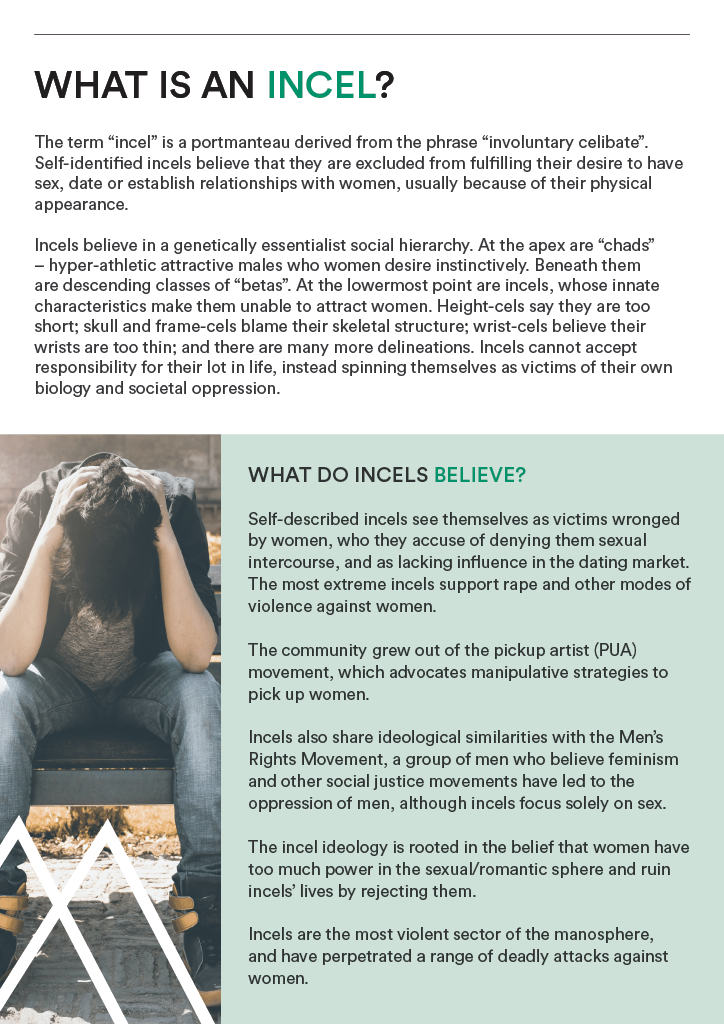
The term “incel” is commonly used to describe an online identity and communities associated with people who identify as involuntarily celibate.
You may come across the term through social media, online forums, video platforms, gaming communities or other digital spaces. As with many online communities, the people and content associated with the term can vary.
Some online spaces associated with incel culture may contain hostile, discriminatory or harmful attitudes towards other people. Understanding the terminology and recognising potentially harmful online influences can help you make informed decisions about the content and communities you interact with.
Incel Culture and Online Safety: Quick Summary
This Theme of the Month focuses on incel culture, online communities, digital influences, critical thinking and safeguarding.
The key things to remember are:
Not every online community is positive or reliable.
Online content can influence attitudes and opinions.
Repeated exposure to one viewpoint can make it harder to recognise alternative perspectives.
Likes, views, shares and comments do not prove that information is accurate.
Harmful or discriminatory behaviour should not be treated as acceptable simply because it is common within an online community.
You can block, mute or report concerning online content.
You can step away from communities that make you uncomfortable.
Safeguarding support is available if something you encounter online concerns you.
Understanding Online Communities and Their Influence
Online communities can be positive spaces where people communicate, share interests and connect with others. However, not every online community has a positive influence.
Some online spaces can repeatedly expose users to negative, discriminatory or harmful viewpoints. Over time, repeatedly encountering similar messages may affect how someone understands a subject or views other people.
When viewing online content, it is important to pause and consider:
Who created or shared the content?
What is the purpose of the message?
Is the information supported by a reliable source?
Is the content presenting an opinion as though it is a fact?
Am I repeatedly seeing the same viewpoint?
Are alternative perspectives being dismissed?
Does the content encourage hostility, discrimination or harmful behaviour?
Thinking about these questions can help you make more informed decisions about the information you encounter.
Recognising Concerning Online Behaviour
Certain warning signs may indicate that an online community or piece of content could have a negative or harmful influence.
Be cautious of online spaces that:
Encourage hatred, hostility or discrimination towards other people.
Blame particular people or groups for personal or wider problems.
Present harmful behaviour as normal or acceptable.
Discourage users from considering different perspectives.
Attempt to isolate people from friends, family or other sources of support.
Pressure people to adopt increasingly harmful viewpoints.
Encourage threatening or harmful behaviour.
Make you feel worried, uncomfortable or unsafe.
Recognising these behaviours can help you decide whether to stop engaging with a community, use platform safety features or speak to someone you trust.
Thinking Critically About Online Information
Critical thinking means considering information carefully rather than automatically believing or sharing it.
When you see a claim, video, post or discussion online, consider:
Who created it?
Look at the individual, account or organisation responsible for the information.
What is its purpose?
Consider whether the content is intended to inform, persuade, provoke a reaction or influence an opinion.
What evidence is provided?
Consider whether claims are supported by trustworthy evidence or reliable sources.
Are other perspectives available?
Looking beyond one account, creator or community can provide a wider understanding of an issue.
Could the content be harmful?
Consider whether it encourages discrimination, hostility, isolation or other concerning behaviour.
Popularity Does Not Always Mean Reliability
Online content can receive thousands of views, likes, comments or shares, but popularity alone does not confirm that the information is accurate.
Before accepting or sharing a claim, consider where it originated and whether reliable evidence supports it.
Taking a moment to check information can help you avoid being influenced by misleading or unreliable content.
Staying Safe in Online Communities
There are practical steps you can take to manage your online experience.
Check Information
Look beyond a single post, video or account and consider whether information is supported by reliable sources.
Explore Different Perspectives
Avoid relying entirely on one online community or creator for information about a subject.
Protect Your Personal Information
Think carefully about what personal information you share online and who may be able to access it.
Use Safety Features
Social media and online platforms may provide options to block, mute and report accounts or content that concerns you.
Step Away
You do not have to continue participating in a discussion or community that makes you uncomfortable or unsafe.
Seek Support
If something you see or experience online concerns you, speaking to someone you trust can help you understand your options.
Online Communities and Safeguarding
Online safety is an important part of safeguarding.
Understanding how digital communities and online content can influence attitudes can make it easier to recognise when something does not feel right.
You do not need to understand every term, trend or online community yourself. If you are worried about something you have seen, received or become involved with online, asking for help is an appropriate step.
Getting Safeguarding Support at LSP
If something you have seen or experienced online makes you feel worried, uncomfortable or unsafe, you do not have to deal with it alone.
You can speak to:
Your LSP tutor
Your Support Coach
A member of the LSP Safeguarding Team
Another appropriate member of staff you trust
You can raise a concern even if you are unsure how serious the situation is. Talking about what you have encountered can help you access appropriate guidance and support.
Key Takeaways
Remember:
Think critically about what you see online.
Check who created information and why it was shared.
Do not assume popular content is accurate.
Be cautious of communities that encourage hostility, discrimination or harmful behaviour.
Consider information and perspectives outside a single online community.
Protect your personal information.
Use blocking, muting and reporting tools when appropriate.
Step away from content or communities that make you uncomfortable.
Speak to someone you trust if you are concerned about something you encounter online.
Summary
LSP’s Theme of the Month: Understanding Online Communities and Incel Culture focuses on helping learners understand online terminology, recognise potentially harmful digital influences and make informed decisions about the communities and content they encounter.
Developing critical-thinking and online-safety skills can help you question unreliable information, recognise concerning behaviour and understand when it may be best to stop engaging with particular content.
Most importantly, you do not have to manage concerning online experiences alone. If something you encounter online worries you or makes you feel unsafe, safeguarding support is available through LSP.