Theme of the Month - Healthy Eating
Theme of the Month: Healthy Eating
Healthy eating is about developing a balanced, varied and realistic approach to food that works for your lifestyle, preferences and budget. Small changes, such as planning meals, staying hydrated, trying different foods and developing basic cooking skills, can help you build healthier habits without needing to completely change what you eat.
Understanding Healthy Eating and Balanced Choices
Our Theme of the Month for September is Healthy Eating, focusing on balanced eating and realistic ways to make healthier choices as part of everyday life.
Healthy eating does not have to mean completely changing what you eat. Small, manageable changes can help you develop habits that work around your lifestyle, preferences, routine and budget.
The aim is not to achieve a perfect diet. Instead, it is about finding a balanced, varied and sustainable approach to food that works for you.
Healthy Eating at a Glance
The key things to remember are:
Aim for balance and variety across your overall diet.
Small changes can be easier to maintain than changing everything at once.
Include a variety of foods in your meals.
Remember to stay hydrated throughout the day.
Planning meals can make busy days easier.
Shopping with a plan can help you manage your food budget.
Learning basic cooking skills can give you more options.
Using ingredients effectively can help reduce food waste.
Individual dietary requirements can vary, so seek appropriate professional advice if you have specific health or nutritional needs.
What Is Healthy Eating?
Healthy eating is about having a balanced and varied diet that provides your body with the nutrients and energy it needs.
Rather than thinking about individual foods as simply "good" or "bad", it can be more helpful to consider your eating habits as a whole.
Different foods can have a place within a balanced diet. Developing an approach that is realistic and manageable can make healthier habits easier to maintain over time.
What Does a Balanced Diet Look Like?
A balanced diet involves eating a variety of foods rather than relying heavily on one type of food.
Practical ways to introduce more variety include:
Including fruit and vegetables in meals and snacks
Choosing a range of different foods throughout the week
Including appropriate sources of protein
Choosing higher-fibre options where appropriate
Drinking regularly throughout the day
Experimenting with different ingredients and recipes
Healthy eating will not look exactly the same for everyone. Individual needs may be influenced by health, lifestyle, preferences, culture, dietary requirements and other personal circumstances.
Practical Ways to Build Healthier Eating Habits
You do not need to completely change your routine to start developing healthier habits.
Start with Small Changes
Try choosing one or two manageable actions, such as:
Planning tomorrow's meals the night before
Preparing lunch in advance for work or training
Trying a new fruit or vegetable
Keeping a drink available throughout the day
Learning one simple new recipe
Cooking additional portions where appropriate
Checking what food you already have before shopping
Planning how you will use ingredients before buying them
Once one change feels like a normal part of your routine, you can consider introducing another.
Healthy Eating on a Budget
Healthy eating does not necessarily need to involve buying expensive ingredients. Planning ahead can help you make more considered choices while managing your food budget.
Plan Meals Before Shopping
Decide which meals you are likely to have over the next few days. This can help identify the ingredients you actually need and give you a clearer plan before you shop.
Make a Shopping List
Creating a list can help you stay focused on what you intend to buy rather than purchasing food without a plan for using it.
Check What You Already Have
Look through your cupboards, fridge and freezer before shopping. You may already have ingredients that can form part of your next meals.
Compare Your Options
Consider different brands, quantities and suitable alternatives when shopping rather than automatically choosing the first option.
Consider Frozen Ingredients
Frozen fruit and vegetables can provide another way of keeping useful ingredients available while giving you more flexibility around when you use them.
Use Suitable Leftovers
Where appropriate and safe to do so, leftovers can sometimes be incorporated into another meal rather than going to waste.
Meal Planning for Busy Days
Balancing work, an apprenticeship, studying, travelling and other commitments can make planning meals more difficult.
Preparing ahead can make busy days easier.
For example, you could:
Decide what you will have for lunch the evening before
Prepare suitable ingredients in advance
Create a basic weekly meal plan
Identify your busiest days and plan around them
Keep practical food options available for days when you have less preparation time
A meal plan does not need to account for every meal perfectly. Even planning a few days ahead can give you a clearer idea of what you need.
Example of Simple Meal Planning
If you know you have a particularly busy work or training day coming up, you could prepare your lunch the evening before and make sure you have suitable food available for the day.
The aim is not to follow a rigid schedule. Planning is simply a way of making your routine easier to manage.
Staying Hydrated Throughout the Day
Drinking regularly is another part of maintaining a balanced daily routine.
Busy work or learning days can make it easy to forget to drink, so it may be useful to make drinking part of your existing routine.
For example, you could:
Keep a drink accessible while working or studying
Have a drink with your meals
Remember to drink at regular points during your day
Take a drink with you when travelling to work or training
Building Confidence in the Kitchen
Developing basic cooking skills can make it easier to prepare a wider range of meals.
You do not need to begin with complicated recipes. Learning a few straightforward meals can give you a foundation to build on.
Simple Ways to Develop Your Cooking Skills
You could challenge yourself to:
Learn one new recipe
Try an unfamiliar ingredient
Develop a basic cooking technique
Adapt a meal you already enjoy
Prepare a meal you would normally buy ready-made
As your confidence develops, you may find it easier to experiment with different ingredients and meals.
Reducing Food Waste
Reducing unnecessary food waste can help you make better use of your food budget while also reducing the amount of food that is thrown away.
Practical Ways to Reduce Food Waste
You can:
Check use-by dates when planning meals
Use ingredients you already have before buying more
Plan meals around food that needs using first
Store food appropriately
Use suitable leftovers
Freeze suitable food that you will not use in time
Buy quantities that are realistic for your needs
Always follow appropriate food safety, storage and reheating guidance.
Food, Energy and Everyday Wellbeing
Food is one part of your overall health and wellbeing.
Developing an eating routine that fits around your day can make it easier to plan ahead and make considered choices, particularly when balancing work, learning and other responsibilities.
Everyone's nutritional requirements are different. If you have specific dietary requirements, allergies, a health condition or concerns about nutrition, seek appropriate professional advice rather than relying solely on general healthy eating guidance.
Try Something New
Healthy eating can also be an opportunity to discover new foods, flavours and recipes.
Trying something new does not need to involve preparing a complicated meal. You could start by changing one ingredient in a meal you already enjoy or trying a straightforward recipe you have not made before.
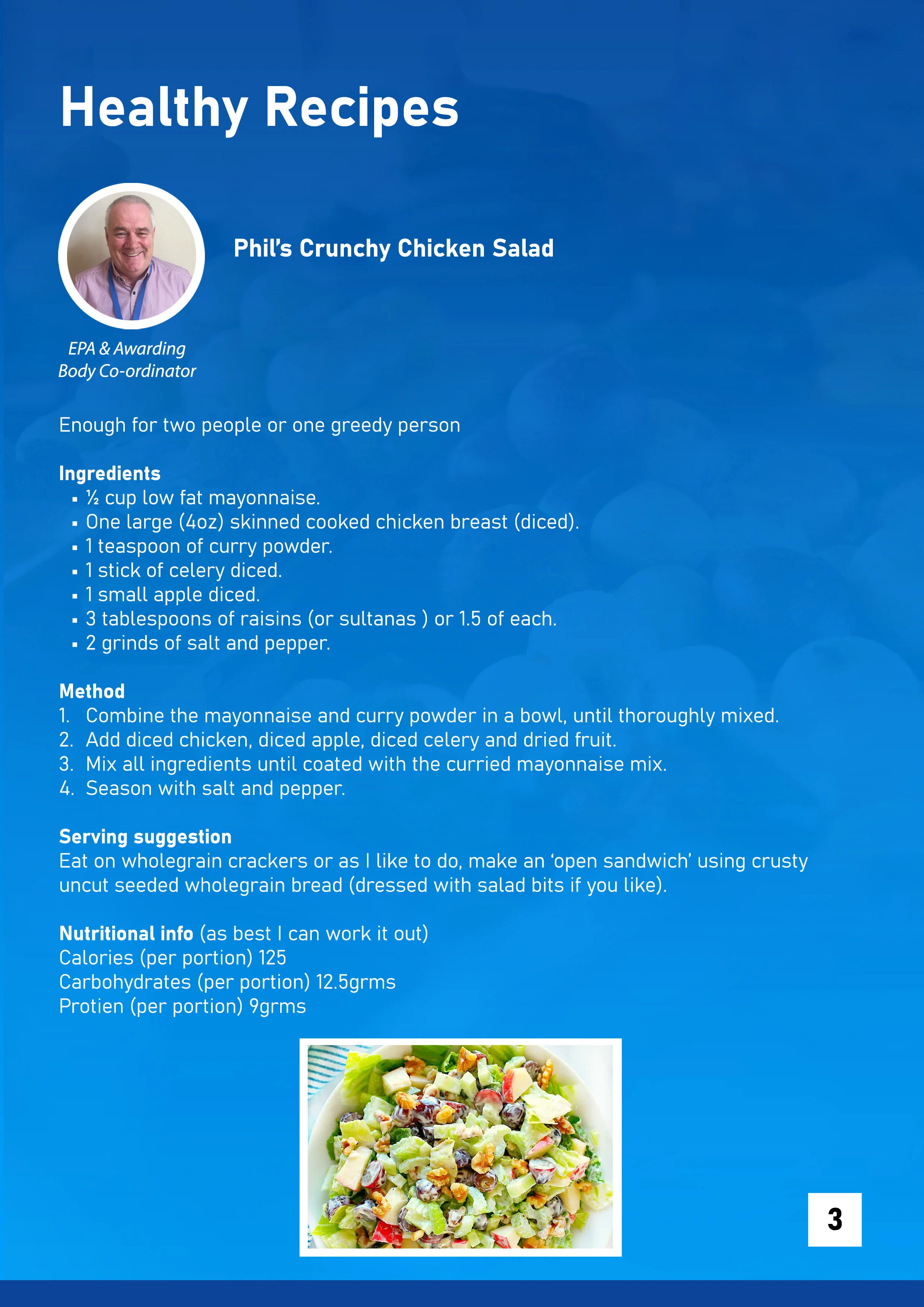
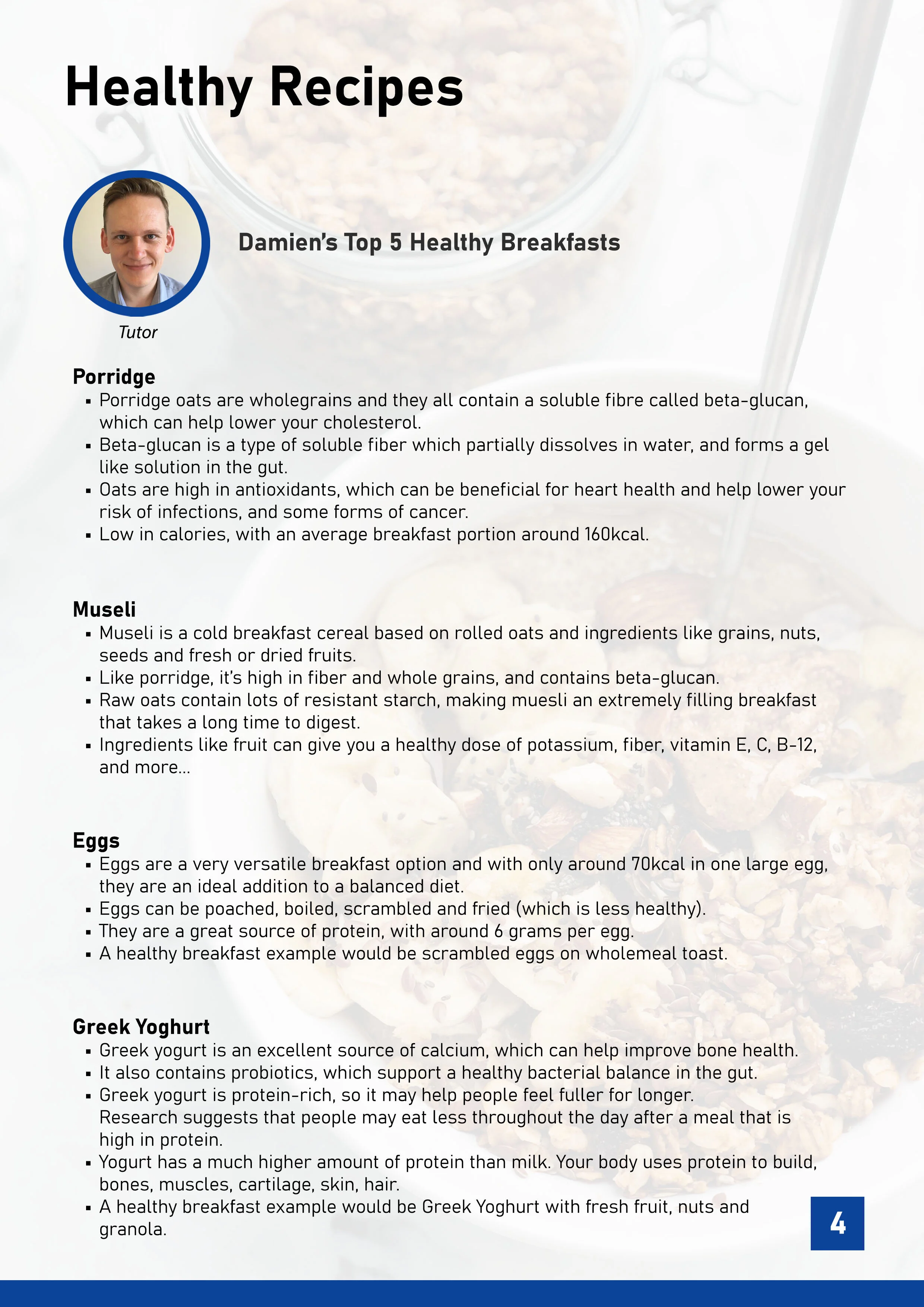
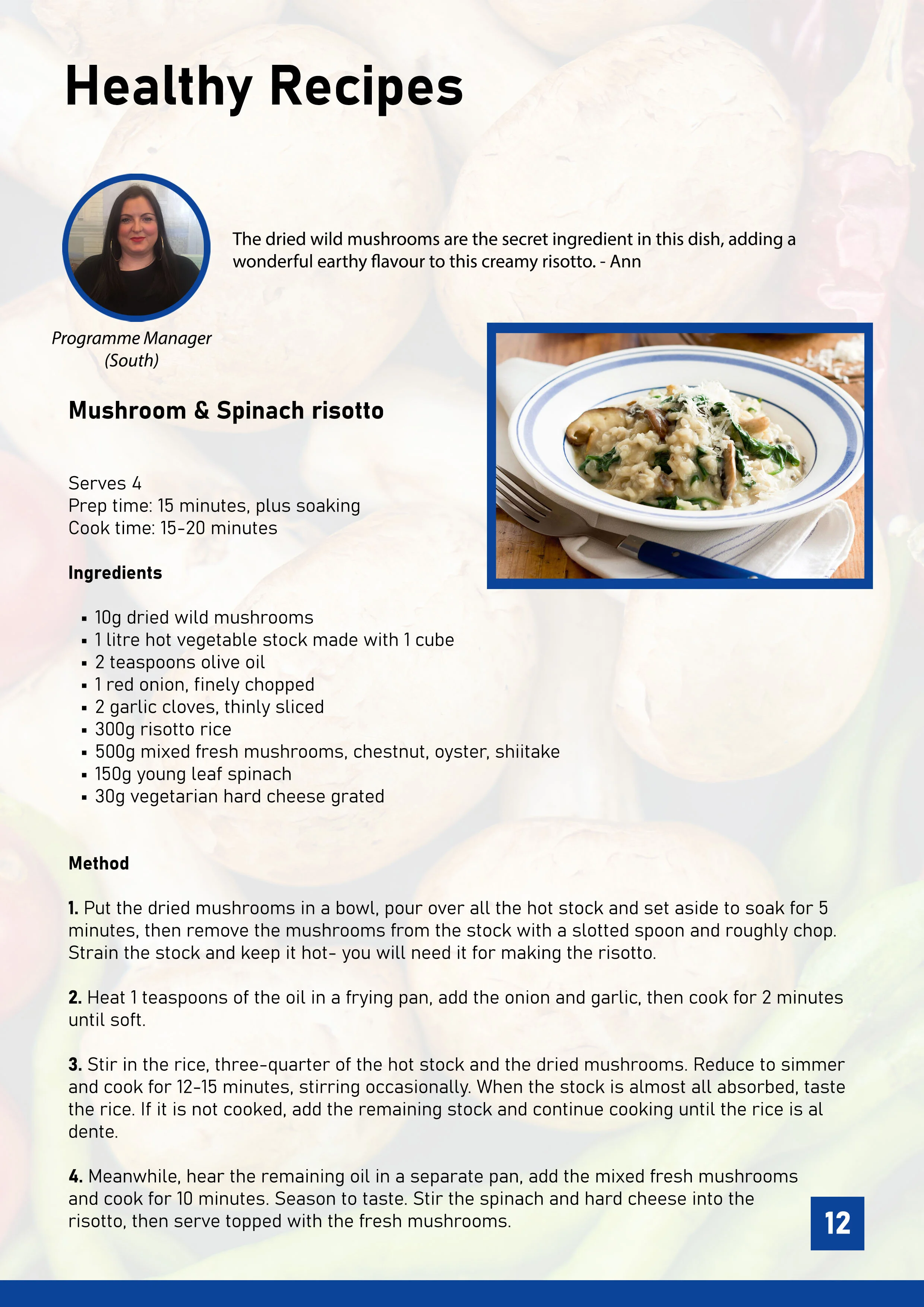
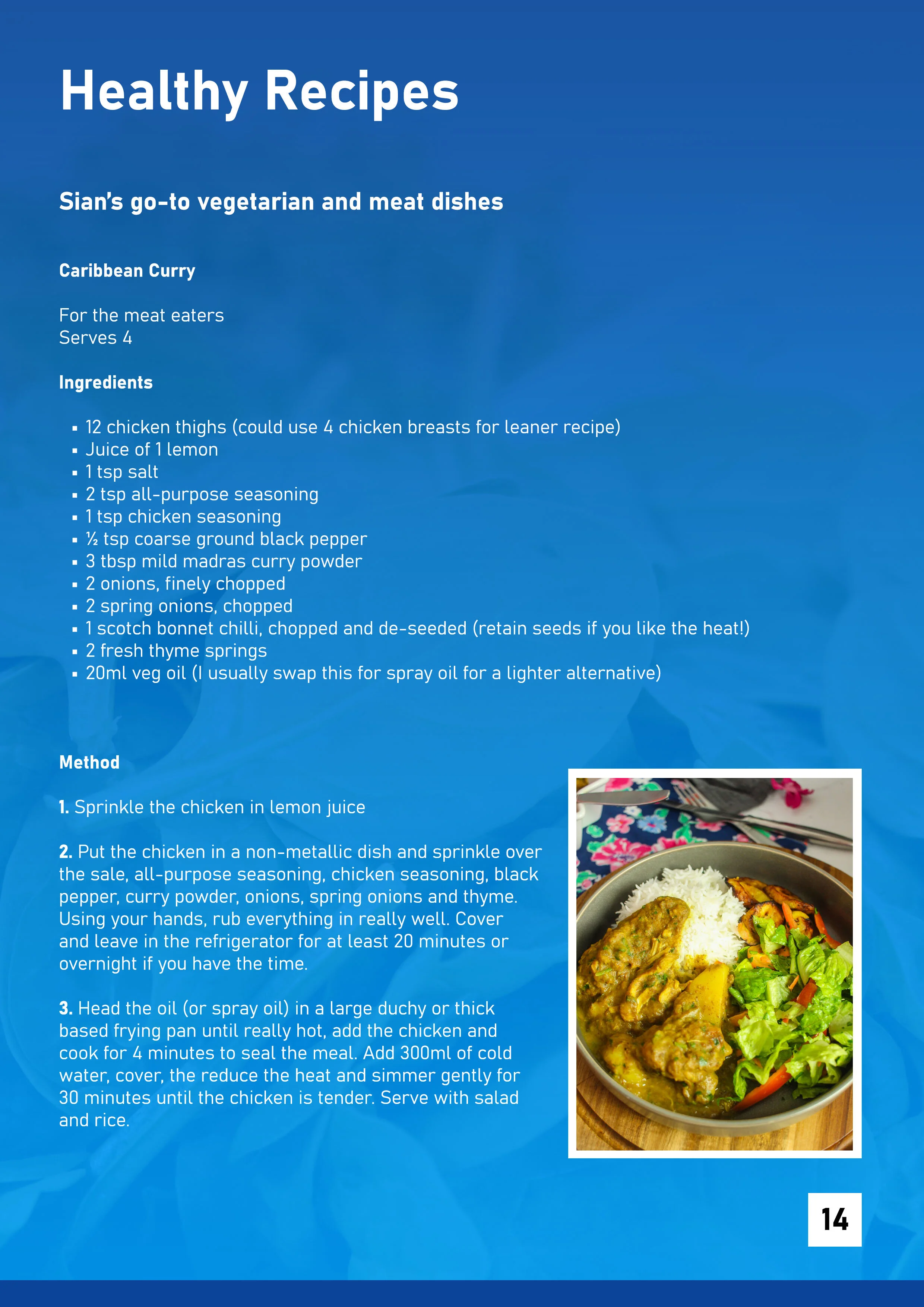
As part of this month's theme, members of the LSP team have also shared some of their recommended healthy recipes, providing additional ideas to try.
Your Next Steps for Healthier Eating
You do not need to make several changes at once. Start with something that feels realistic for your routine.
Five Simple Actions to Try
Plan one meal in advance. Decide what you will eat before a busy work or training day.
Check your kitchen before shopping. See what ingredients you already have and what needs using.
Try something different. Choose a new fruit, vegetable, ingredient or simple recipe.
Think about hydration. Keep a drink accessible throughout your day.
Develop a cooking skill. Learn one simple recipe or cooking technique that you can use again.
The most useful changes are those that are realistic for you and your circumstances.
Explore LSP's Healthy Eating Resources
LSP's Healthy Eating resources provide further information and practical ideas covering:
Tips for healthier eating
Balanced eating habits
Healthy eating on a budget
Meal planning
Practical food tips
Recipes recommended by the LSP team
These resources can be used alongside the information on this page to explore different approaches and identify ideas that work for you.
Key Takeaways
Remember:
Healthy eating is about balance and variety, not perfection.
Small changes can build into longer-term habits.
Planning meals can make busy working and learning days easier.
Shopping with a plan can help you manage your food budget.
Basic cooking skills can give you more options.
Staying hydrated is an important part of your daily routine.
Reducing food waste can help you make better use of the food you buy.
Everybody's dietary needs and circumstances are different.
Choose habits that are realistic and sustainable for you.
Frequently Asked Questions About Healthy Eating
What does healthy eating mean?
Healthy eating involves taking a balanced and varied approach to food that provides your body with the nutrients and energy it needs. It is more helpful to consider your overall eating habits rather than labelling individual foods as simply "good" or "bad".
Does healthy eating have to be expensive?
Not necessarily. Planning meals, checking which ingredients you already have, comparing suitable options and making effective use of leftovers can help you manage your food budget.
How can I eat well when I have a busy schedule?
Planning ahead can help. Preparing lunch the night before, making a simple meal plan and identifying particularly busy days are practical ways to make food choices easier to manage around work and learning.
How can I start eating more healthily?
Start with one or two manageable changes rather than trying to change everything at once. This could include planning a meal, trying a new ingredient, preparing lunch in advance or developing a new cooking skill.
Where should I get advice about specific dietary needs?
If you have allergies, a health condition, specific dietary requirements or concerns about nutrition, seek appropriate professional advice rather than relying solely on general healthy eating information.
Summary
Healthy eating is about developing a balanced, varied and realistic approach to food that works around your everyday life. It does not require perfection, expensive ingredients or completely changing everything you eat.
Planning meals, developing cooking skills, staying hydrated, trying different foods and making better use of the ingredients you buy are practical ways to develop healthier habits.
Most importantly, focus on small, manageable changes that you can realistically maintain as part of your everyday routine.