Theme of the Month - Domestic Abuse
Theme of the Month: Domestic Abuse
What is Domestic Abuse?
Domestic abuse is a pattern of controlling, coercive, threatening, degrading or violent behaviour within a personal or family relationship. It can occur between partners or ex-partners, as well as between family members or carers.
Domestic abuse is not limited to physical violence. It can involve different behaviours that are used to control, intimidate, isolate or harm another person.
Types of Domestic Abuse
Domestic abuse can take many forms, including:
Coercive control: A pattern of behaviour used to intimidate, isolate, degrade or control another person.
Psychological or emotional abuse: Behaviour that causes emotional harm, fear or distress.
Physical abuse: The use or threat of physical violence.
Financial or economic abuse: Controlling or restricting someone's access to money, resources or financial independence.
Harassment and stalking: Repeated unwanted behaviour that causes someone to feel distressed, threatened or unsafe.
Online or digital abuse: Using technology, social media, messaging or digital devices as a means of controlling, monitoring, threatening or harassing someone.
Recognising Domestic Abuse
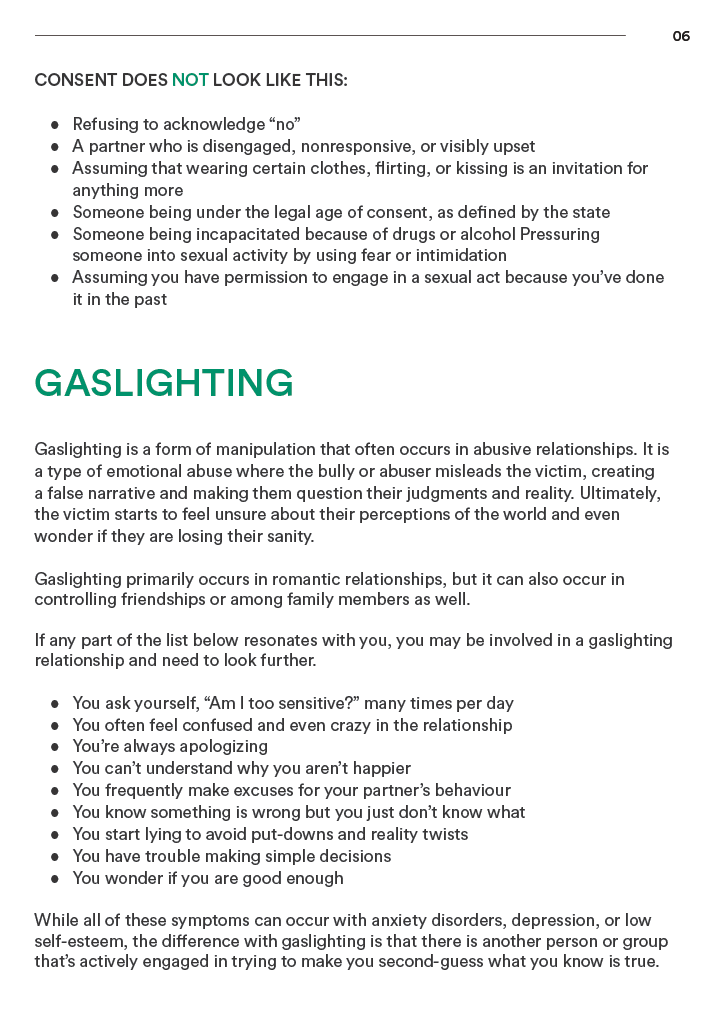
Domestic abuse can affect people in different ways and may not always be immediately obvious. Behaviours can develop gradually and may form part of a wider pattern of control.
Recognising the different forms domestic abuse can take is an important part of understanding the issue and knowing when additional support may be needed.
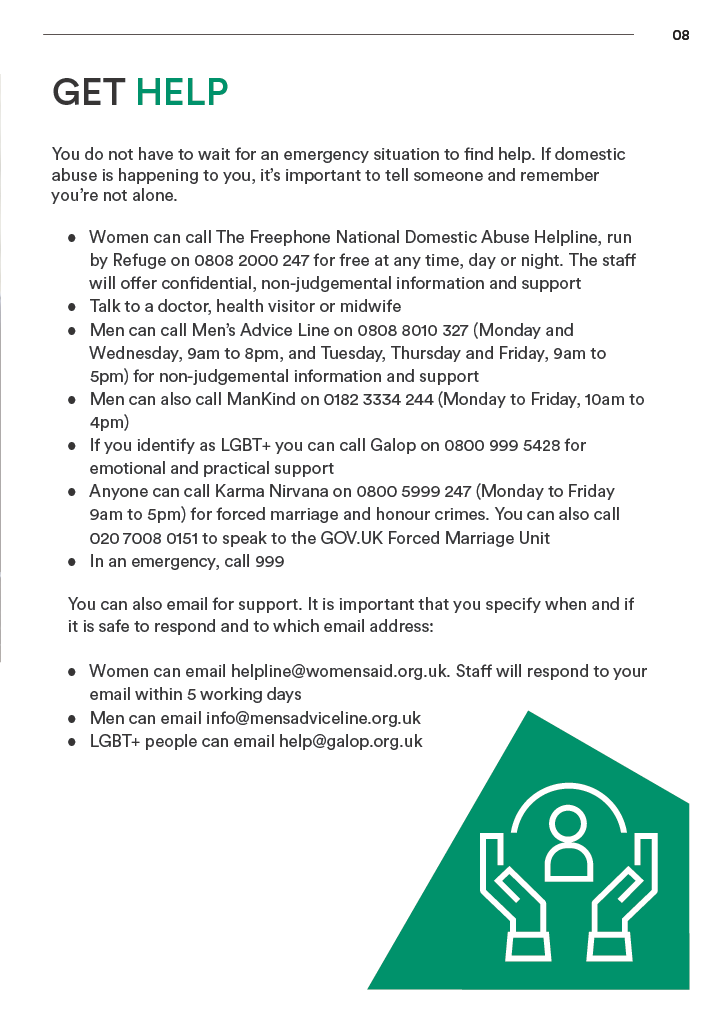
Getting Help and Support
If you or someone you know is experiencing domestic abuse, support is available. Speaking to someone you trust or accessing specialist domestic abuse services can help you understand your options and find appropriate support.
If someone is in immediate danger, they should contact the emergency services.